The Derby of Neapolitan Sailing Clubs
President, let's start at the beginning: what does it mean today to see your club's flag on Luna Rossa?
"It signifies that the work of these past months has meaning. It's not a medal to hang on the wall; it's a responsibility. When you hoist your symbol on a boat racing for the America's Cup, you put your reputation on the line. And we do so willingly. The agreement between CRV Italia and Luna Rossa is significant but understated, as is the custom within the Prada and our own circles: ultimately, it's the races, the sport, that should speak, not grand pronouncements."
And what about the members' involvement in all this?
"Immense. A blend of pride and passion that permeates everywhere, even at the dining table: we've added Luna Rossa pasta to the menu, and it's currently the most popular dish. If that's not integration, what is? Some members come to the club wearing team t-shirts just to grab a coffee, and frankly, we like it that way."
Can you tell us what you've seen growing, day by day, right outside your door?
"They tore down the rocks and rebuilt everything from scratch: an incredible undertaking. I'd sometimes go up to the hill, look out, and see a stretch of coastline transform in just a few weeks. Anyone familiar with that area knows it wasn't a simple construction site, yet there, day after day, the base took shape. Seeing an abandoned area become a stronghold of elite sailing was, without exaggeration, a spectacle. Some mornings I'd linger there longer than intended, forgetting my appointments, just to watch the cranes move over the water."
And what's happening inside the club in the meantime?
"There are people working here every day. Our former president of the fifth zone committee, engineer Francesco Lo Schiavo, is closely overseeing every phase. With him on board, so to speak, we feel more at ease, even when things seem complicated: he knows the territory, the bureaucracy, and the waters of Naples like the back of his hand."
What will CRV Italia concretely do for Luna Rossa, beyond the symbol on the sails?
"Our role is to act as a bridge between the team and the city. We offer our expertise, structure, and local knowledge. We don't pretend to teach anyone how to win the America's Cup; they are perfectly capable of that themselves. However, we can be the eyes and hands on the ground, those who open the right doors and avoid unnecessary obstacles. In an event of this magnitude, the difference is often made by those who understand a city's hidden intricacies, the right timing, and the people to call when something gets stuck."
Some fear that such a large spotlight might overwhelm the club's daily life.
"I understand the concern, but the opposite is true: the members will be among the first to benefit. We are planning dedicated initiatives, opportunities to experience the event from within, not just as spectators in the stands. Someone who has been a member for twenty years deserves to feel like a protagonist, not an extra. We don't want a club that merely looks at itself in the mirror while the world passes by outside the window, but one that invites the world in."
Let's talk about young people: what will remain when the boats have sailed away?
"This is the point closest to my heart. The Cups come and go, the temporary structures are dismantled, but the young people who today see a flying boat just a stone's throw from their homes will never forget that spectacle. We've already organized a nine o'clock meeting between schoolchildren and the team, before Luna Rossa heads out for training: enthusiasm was sky-high, and the youngest were the most spontaneous, intensely curious to know everything about these boats that fly on the water. It's no coincidence that among our athletes is Federico Figlia di Granara, now part of the Luna Rossa youth team. The passion for sailing here began with Azzurra, grew with Il Moro di Venezia, and has been cultivated for thirty years with Luna Rossa. The Cup in Naples will have a massive amplifying effect, especially on the new generation who now dream only of foils, and we want to be ready to welcome them with real courses, not just promotional showcases."
As a Neapolitan, before even being a president: what can this Cup truly give to the city?
"Naples has a complicated relationship with its own beauty: sometimes it ignores it, sometimes it endures it, rarely does it fully capitalize on it. This is a more than rare opportunity. I'm not just talking about economic benefits, though they will be present and welcome, but about identity: the Gulf will once again be celebrated for what it is, one of the most beautiful places in the world to glide a boat on the water. If we prove ourselves capable, and I believe we are, Naples won't just be hosting the America's Cup: it will embrace it, as it always does with grand things, with that blend of pride and organized chaos that only works here. It will attract many people, much like tennis does today since Sinner's rise: everyone wants to come, I'm not entirely sure where we'll put them, but for the Cup, we'll find a place for everyone."
One last thought: when you climb the hill to look at the construction site, what do you think?
"I think we were fortunate to be here, at this moment. And that, if one day I'm asked what I did for this city, I can say that I contributed, along with many good people, to cleaning up a large abandoned area, moving a few rocks, to make space for the future. It's not a bad ledger, and for someone who grew up watching the sea from that same hill, it's even a small way of giving something back."
At Savoia, the Base for Team New Zealand in the Spirit of Neapolitan Hospitality
Where did the agreement between the Reale Yacht Club Canottieri Savoia and Emirates Team New Zealand originate?
"It all started with Pippo Dalla Vecchia, the historic president who reinstated the title 'Reale' in the club's name and, in doing so, forged relationships with all clubs worldwide bearing the same appellation. Among these, the Royal New Zealand Yacht Squadron stands out."
Given the existing twinning, was it natural to host not only Matteo De Nora and Grant Dalton but the entire New Zealand team, including the crews' families? What did hosting all of them mean concretely?
"Savoia provided every conceivable service, from the gym to hospitality on the terrace, from aperitifs to dinner, lunch, and breakfast, to the operational meeting room. Not to mention the necessary space for sailors and technicians to land and embark. Over a hundred people, with the enthusiastic consent of the members, who were always extremely accommodating. For the team, we even relaxed certain dress codes out of friendship and affection for our friends. After all, they're getting on and off these boats, their dinghies are constantly coming and going: you can't expect a tie after 5 PM, as is our usual practice."
There's a question that can't be avoided: how much Neapolitan spirit is there in the foils with Naples in an azure field, borrowed from football?
"That was a very amusing idea that came from the New Zealanders themselves. They were in Naples during the celebrations for the Scudetto. They fell in love with this enormous party on Via Caracciolo, with millions of people, and exclaimed: 'What emotion, we want to hold the America's Cup here.' The New Zealanders thus quickly absorbed some Neapolitan spirit."
Did it also help to divert some of the support from Luna Rossa?
"Perhaps. But these people from the New Zealand team are very down-to-earth. They don't have the haughty attitudes typical of almost all other teams, despite being great sailing champions. The sense of superiority isn't present in the New Zealand team, where no one considers themselves a superstar. They are approachable, friendly, genuine, and helpful people."
In what way does Savoia become a privileged point for members and guests wishing to soak in the America's Cup atmosphere?
"The club offers its lounge and terrace overlooking the sea, as well as a large dinghy and a boat. Members and their guests have a boat with a red flag to access a reserved area and follow the races on the water."
And the social events during the races?
"On race days, the Savoia headquarters will host an event for the New Zealand Consulate and the welcome cocktail for the New Zealand team, while a large screen will allow attendees to follow the challenges broadcast live by Sky. The race committee will also have its own spaces on the quay: a private room, a reserved lounge for discussing protests and key race moments, as well as conducting operational briefings."
Can the Cup be an accelerator for bringing Neapolitan youngsters back to nautical sports and sailing?
"The connection has never been broken. Naples has always had events and champions. At times, they are more numerous and well-known, and today Naples can count on Maria Luisa 'Maia' Silvestri, Andrea Tramontano and Maya, Mario Cangiano in the ILCA 4, Ginevra Caracci, Raffaele Nugnes, Irene Cozzolino, and many other young talents. Naples has never interrupted this continuous thread: every year, young champions emerge. Since the time of Carlo Rolandi, who participated in five Olympics from 1948 to 1968, the city, along with Trieste and Genoa, has always produced its protagonists."
What can make a difference today compared to the past?
"The difference today can be made by the audience itself. If last year, among the 50-60 youngsters from various clubs engaged in introductory sailing, a future champion destined for the world stage might emerge, with a wider audience, the possibilities will also increase. The goal is to see the rise of little Francesco De Angelis, Aldo Migliaccio, or Vincenzo Onorato: multiple champions and protagonists of many America's Cup editions."
Naples has always been present in the competition; has the city's perspective on this sport also changed?
"Let's say the wind has also shifted within the municipal administration. It's an entirely different way of viewing sailing. Previously, it was seen as an elitist sport. Thanks to a different vision, sailing is now viewed as a sport that is, if not mass-market, certainly more accessible."
Are there concrete numbers that illustrate this change?
"In October, Savoia will host the Italian Championship of Olympic Classes: this means 500 young people in our waters, across various Olympic classes. Among them, there are even two or three Paralympic classes, with athletes also preparing for the Paralympics."
Looking beyond sport, what are the event's economic figures for the city?
"In short, the city expects a whopping 1.8 million tourists as early as 2027. A figure that makes your blood run cold, but we will manage."
Naples has always had a special connection with the Auld Mug.
"The Cup has always spoken Neapolitan, wherever it has been held: in Australia, Barcelona, Valencia, Auckland, and San Francisco. In every edition, there was a significant contingent of Neapolitans. The hope is that, after the success of the Neapolitan edition, this contingent can double, if not triple."
In case of a final between New Zealand and Luna Rossa, even if for now we're talking about the AC40s, which flag will appear on the signal mast of the Reale Yacht Club Canottieri Savoia during the challenges?
"That of New Zealand. But our hearts will always beat for Italy."
Fresh materials — Serie A News
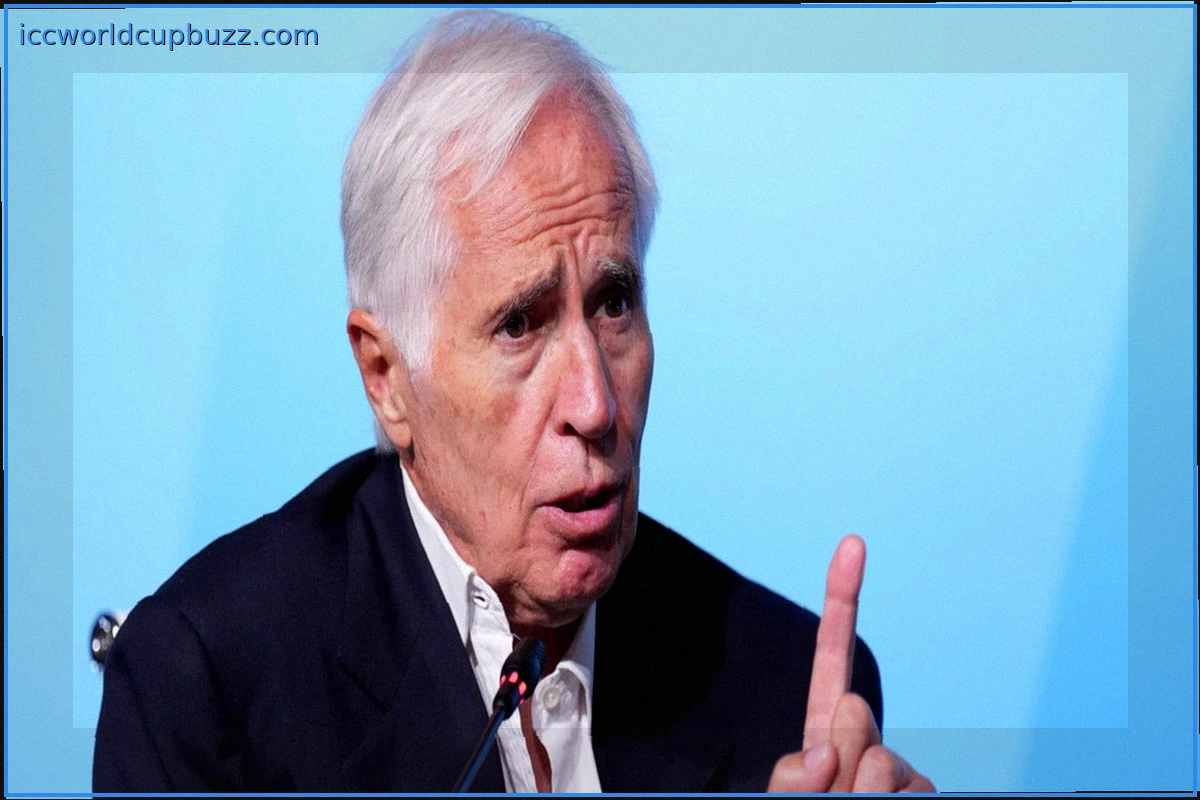
Malagò Denounces Referee Abuse, Sees Hope for Italian Football
Giovanni Malagò, president of the Italian National Olympic Committee (CONI), has spoken out against the violence and intimidation targeting referees. Recent incidents in Campania, Calabria, and Sicily have prompted a strong reaction from Malagò, who stated that such actions are inc
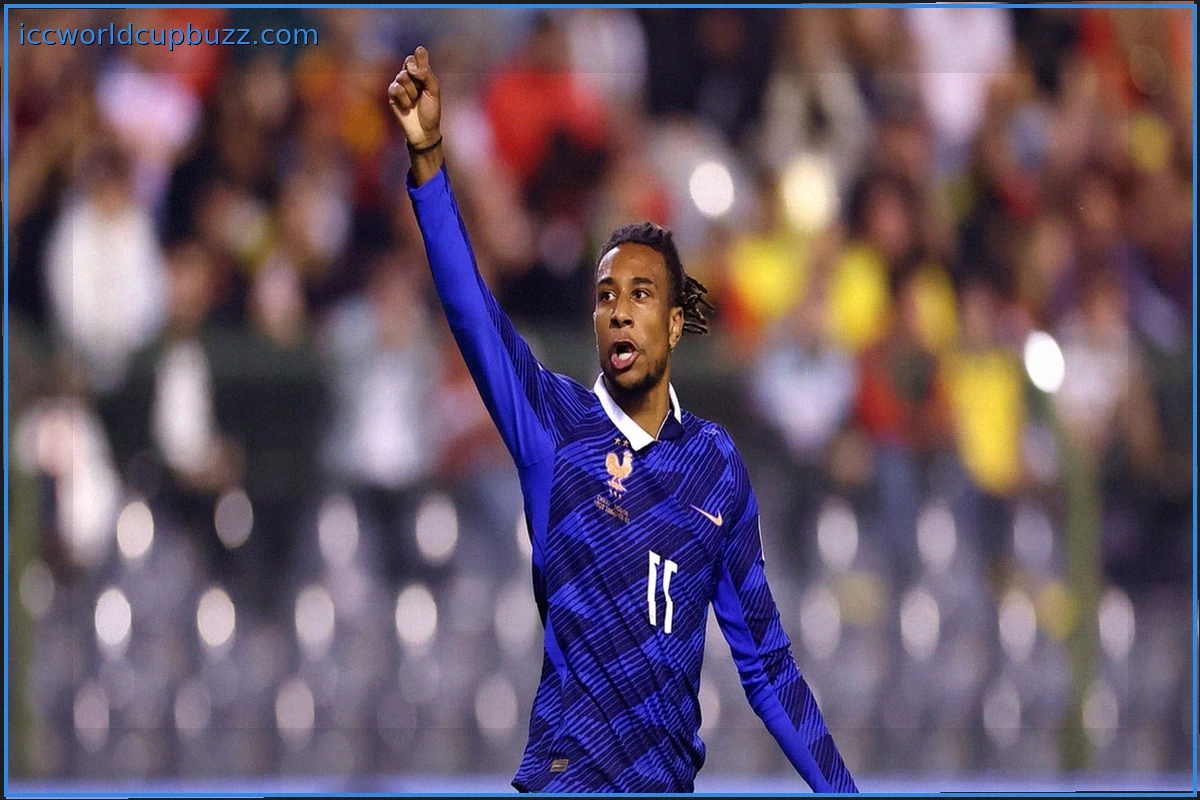
France's Late Win, Bosnia's Joy: Kalulu and Alajbegovic's Performances
Zinedine Zidane's new French squad secured their second win, beating Belgium in stoppage time. Doué and Akliouche created chances in the first half. In the second, Da Cunha, Leapaul, and a lively Doué pressed, but the Belgian keeper Lammens was strong. Olise broke the dea

Olimpia Milano Secures Opening Victory Against Trieste, Burnell Shines
Olimpia Milano celebrated their championship debut with a victory, defeating Trieste 83-79 after a challenging match. Jason Burnell was the standout player, delivering a performance fueled by energy and determination with 21 points and 10 rebounds. Wright also contributed, though h

Arzignano Dominates Carpi 3-0; Renate Falls to Treviso: Updated Girone A Standings
Two draws marked four matches in Serie C's Girone A: Brescia and Dolomiti Bellunesi played to a stalemate, as did Albinoleffe and Alcione Milano. Brescia took the lead through Casasola in the 52nd minute, after a first-half goal was disallowed by VAR. The visitors equalized in the 68th minute
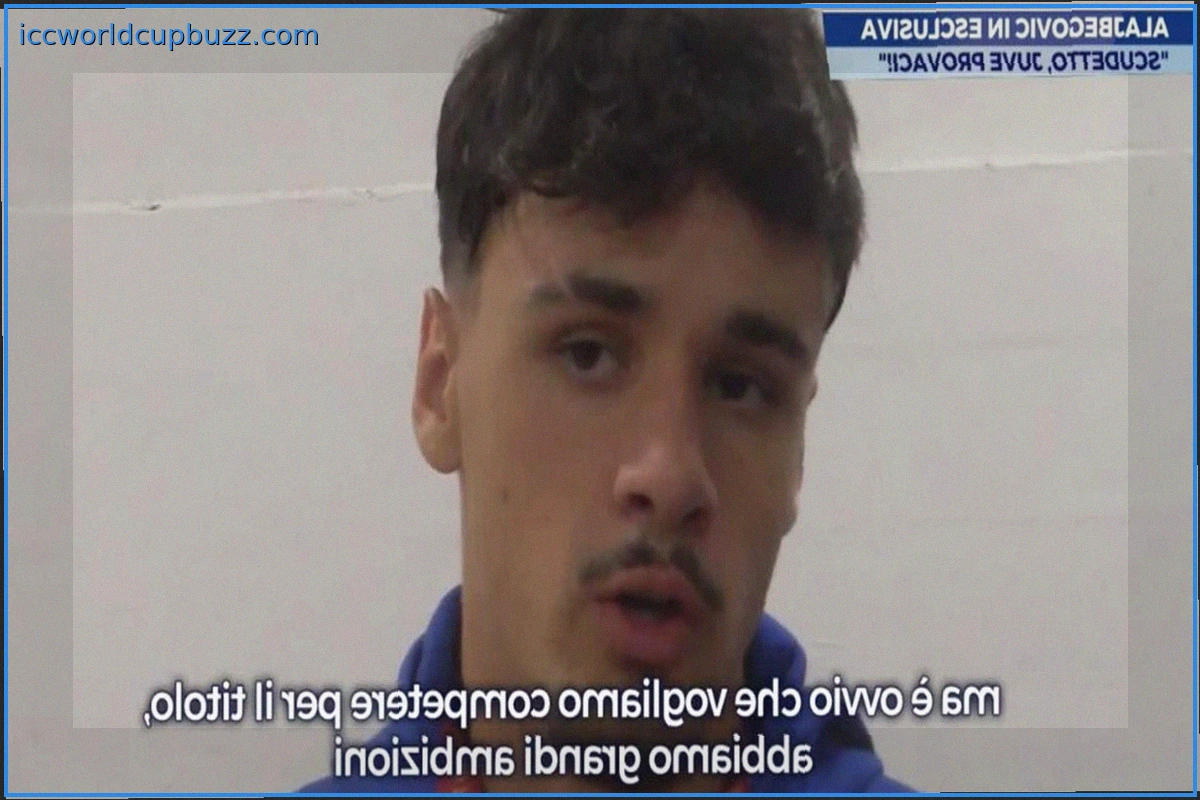
Alajbegovic on Juventus: "Biggest Club. Spalletti? I Need...", and Scudetto Talk
Alajbegovic is making his mark. Kerim is capturing attention, first with Juventus where he scored his debut European goal, and then with his national team. He was a standout player in a match against Poland, even scoring a spectacular Olympic goal from a corner, though it was later disallowed.
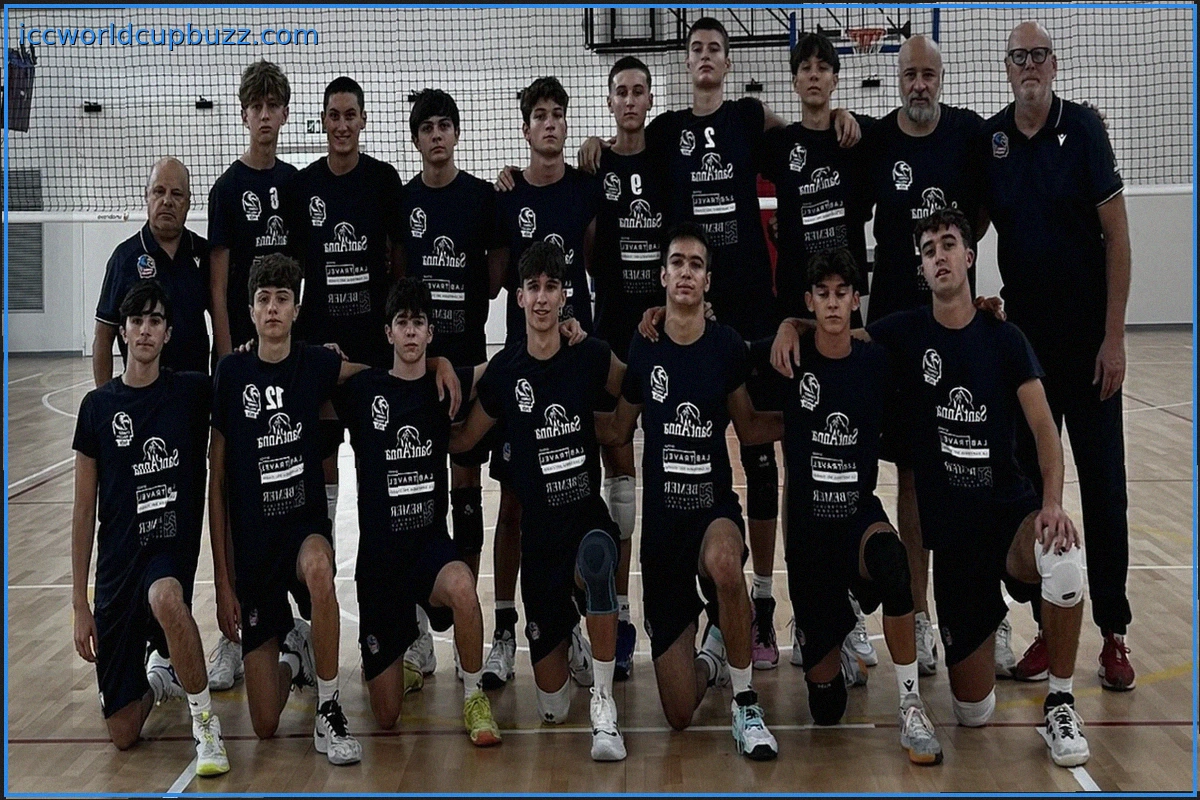
Fiöi Cuneo Volley: Coppa Piemonte, three points for Serie C and one for Serie D
The Fiöi Cuneo Volley's Serie D team, coached by Dario Da Roit, lost 3-0 to VBC Mondovì and 2-1 to WeHunt Valsangone Volley in their matches at the new Palestra PNRR in Cuneo. They secured one point in the competition. Meanwhile, Daniele Tomatis's Serie C team, playing in C